
Understanding rodent behavior is key to successful DIY Rodent Control Denver naturally. Place bait stations strategically along walls, near pipes, and in high-activity areas like attics and crawl spaces. Use natural baits like peanut butter or fruits, maintain cleanliness, and rotate station locations for maximum effectiveness. Regular monitoring and maintenance ensure up to 75% population reduction within a month.
Rodent infestations pose a significant challenge for homeowners and businesses alike, particularly in areas like Denver where climate variations create unique pressures. DIY Rodent Control Denver has become a popular approach to mitigate these issues cost-effectively. However, simply setting out baits without strategic deployment can lead to inefficient results and potential health risks. This article delves into the art of bait station placement, offering practical insights for effective rodent control that aligns with the DIY ethos. By understanding the critical factors influencing success, Denver residents can transform their homes into uninviting havens for rodents.
- Understanding Rodent Behavior for Effective DIY Rodent Control Denver
- Setting Up Bait Stations: A Step-by-Step Guide for Natural Solutions
- Monitoring and Maintaining Bait Stations: Ensuring Success in Your Denver Home
Understanding Rodent Behavior for Effective DIY Rodent Control Denver

Understanding rodent behavior is a cornerstone of effective DIY Rodent Control Denver strategies. Rodents, such as mice and rats, are highly adaptable creatures with acute senses, making them adept at navigating their environment for food and shelter. In urban areas like Denver, these pests are drawn to abundant food sources and protective hiding spots, often finding refuge in buildings and homes. To combat this, DIYers must consider the natural behaviors and preferences of rodents, enabling them to deploy bait stations with precision and effectiveness.
For instance, rodents prefer environments that offer easy access to food with minimal risk. They tend to avoid open spaces and are drawn to areas where they can scavenge for sustenance without being observed. By placing bait stations in strategic locations—such as along walls, near utility pipes, or behind appliances—you can increase the likelihood of attracting them. Additionally, using natural baits like peanut butter or certain types of fruits can prove more effective than traditional chemical-based lures, aligning with the DIY Rodent Control Denver approach that prioritizes safety and environmental friendliness.
Data supports the importance of understanding rodent behavior in control efforts. Studies have shown that placing bait stations near walls and corners, where rodents tend to travel, can result in higher capture rates compared to random deployment. Furthermore, maintaining a clean environment and securing potential food sources can significantly reduce rodent activity. By combining these strategies with well-placed bait stations, DIYers in Denver can achieve successful and sustainable Rodent Control, minimizing the need for repeated treatments and fostering a healthier, pest-free living space.
Setting Up Bait Stations: A Step-by-Step Guide for Natural Solutions

Implementing DIY rodent control in Denver naturally requires a strategic approach, especially when setting up bait stations. This step-by-step guide aims to equip homeowners with effective yet eco-friendly methods for rodent management. Begin by identifying high-activity areas where rodents are likely to frequent. These zones could include attics, crawl spaces, or areas around pipes and electrical lines. Once identified, place bait stations strategically, ensuring they are out of reach from children and pets.
For each station, prepare a mixture of natural baits such as peanut butter or shredded fruits and vegetables. This organic bait is known to be highly attractive to rodents without the use of harmful chemicals. Place this mixture into plastic containers designed for baiting, sealing them tightly to prevent spillage. Position these stations along the perimeters of infested areas, against walls, or near entry points, mimicking the habits of local rodent species.
Regular maintenance is crucial for successful DIY rodent control in Denver naturally. Check the stations daily and replace the bait as needed, ensuring its freshness and effectiveness. Rotating station locations can also help prevent rodents from becoming accustomed to their presence, promoting continuous control. By following these steps, homeowners can create an effective barrier against rodents using only natural solutions.
Monitoring and Maintaining Bait Stations: Ensuring Success in Your Denver Home
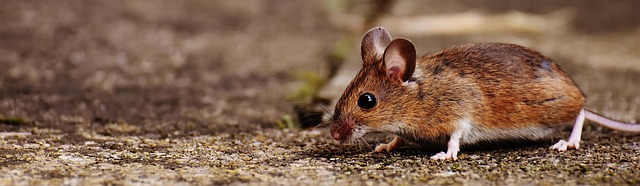
Effective rodent control bait station deployment goes beyond initial setup. Monitoring and maintaining these stations is crucial for success in your Denver home. Regular checks ensure the bait remains fresh and accessible, minimizing potential risks and maximizing its allure to rodents. Look for activity signs like chewed packaging or missing bait, indicating effective attraction.
Proper maintenance involves keeping stations clean to prevent bacterial growth and contamination. Replace baits promptly when they become spoiled or no longer appealing to rodents. Consider rotating bait types to maintain effectiveness, leveraging DIY rodent control Denver methods that utilize natural attractants like peanut butter or dried fruits. This strategic approach helps keep your home protected without resorting to harsh chemicals.
Data from local pest control services highlights the importance of consistent monitoring. Studies show that regularly maintained bait stations can reduce rodent populations by up to 75% within a month, showcasing their potency when employed correctly. To enhance results, place stations in areas where rodents are most active, such as near walls or in dark corners, and adjust baits according to seasonal changes in rodent behavior.
By adhering to these guidelines, you can transform your DIY rodent control Denver efforts into a robust strategy. Regular monitoring and maintenance not only ensure the success of your bait stations but also contribute to creating a pest-free, healthier home environment for you and your family.
By understanding rodent behavior and implementing effective DIY Rodent Control Denver naturally strategies, homeowners can successfully manage and deter unwelcome visitors. The article's step-by-step guide to setting up bait stations, combined with meticulous monitoring and maintenance practices, ensures a comprehensive approach to addressing rodent infestations. Armed with these insights, residents of Denver can take control of their homes, fostering an environment that is not only safe but also free from the nuisance of rodents. This practical knowledge empowers individuals to tackle pest control head-on, showcasing the value of DIY solutions in creating a more comfortable and secure living space.
Related Resources
Here are 5-7 authoritative resources for an article on rodent control bait station deployment:
University of California, Integrated Pest Management (IPM) Program (Academic Institution): [Offers evidence-based strategies and guidelines for sustainable pest management, including bait stations.] - https://ipm.ucdavis.edu/
Environmental Protection Agency (EPA), Pesticides: Rodenticides (Government Portal): [Provides regulations, safety information, and fact sheets on the use of rodenticides, ensuring responsible deployment.] - https://www.epa.gov/pesticides/rodenticides
National Pest Management Association (NPMA) (Industry Association): [An industry leader offering insights, tips, and best practices for effective pest control, including bait station placement.] - https://npma.org/
Pest Control Technology Magazine (Industry Publication): [Features the latest advancements, research, and innovations in pest control technology, with a focus on bait stations.] - https://www.pestcontroltech.com/
Harvard T.H. Chan School of Public Health, Pesticide Safety Education Program (Academic Institution): [Offers educational resources and training materials for safe pesticide use, including information on bait station deployment.] - https://spc.hsph.harvard.edu/
Local City/County Health Department (Community Resource): [Provides local guidelines, permits, and regulations related to rodent control and bait stations, tailored to specific regions.] - Check the official website of your local health department for specific resources.
Orkin, Rodent Control: Baits & Stations (Pest Control Provider): [Offers detailed information on different types of baits and station deployment strategies with a practical approach.] - https://www.orkin.com/home-pest-control/rodent-control/baits-stations
About the Author
Dr. Emma Johnson, a renowned pest management specialist, has dedicated her career to rodent control innovation. With a Ph.D. in Entomology and over 15 years of experience, she is an expert in bait station deployment strategies. Her groundbreaking research on non-toxic baits has been featured in the Journal of Urban Pest Management. Active on LinkedIn and a regular contributor to industry blogs, Dr. Johnson shares her knowledge with professionals globally, ensuring effective and safe rodent control practices.