
DIY Rodent Control Denver requires a nuanced approach considering species-specific behaviors, environmental factors, and advanced monitoring techniques. Key insights include understanding rodent motivations, tailoring strategies to seasons and local species, using species-preferred baits, and employing remote sensor monitoring for precise, efficient control. Regular maintenance ensures long-term success in maintaining a rodent-free Denver environment.
In the bustling urban landscape of Denver, DIY rodent control has become a critical consideration for homeowners and businesses alike. Rodent infestations pose significant health risks and can cause substantial property damage if left unchecked. Traditional methods often involve toxic chemicals, raising concerns about safety and environmental impact. However, remote sensor monitoring offers a revolutionary approach to DIY rodent control in Denver. By integrating sophisticated technology with effective prevention strategies, individuals can now manage rodent populations humanely and efficiently without resorting to harmful substances. This article delves into the intricacies of remote sensor monitoring, empowering readers with valuable insights for a more informed and proactive approach to rodent control.
- Understanding Rodent Behavior: DIY Rodent Control Denver Basics
- Remote Sensor Monitoring: Setting Up Your Denver System
- Effective Strategies: Maintaining DIY Rodent Control Denver Long-Term
Understanding Rodent Behavior: DIY Rodent Control Denver Basics

Rodent behavior is a complex interplay of instinct and environment, crucial to understanding how DIY Rodent Control Denver methods can be both effective and humane. Unlike popular belief, rodents aren't merely driven by food; they're equally motivated by safety, shelter, and access to water. Recognizing this multifaceted nature is key to crafting strategic control plans in Denver's diverse urban landscape. For instance, while a small, open yard might deter mice due to reduced cover, a dense, wooded area can attract them with abundant nesting sites.
Expert insight suggests that rodents exhibit distinct patterns of activity and preference based on time of day, weather conditions, and seasonal changes. Understanding these rhythms allows Denver homeowners to implement targeted DIY Rodent Control methods. During cooler months, for example, rodents might seek warmer habitats indoors, making it vital to inspect for entry points in walls and roofs. Conversely, in the summer, young rodents dispersed from nests require food and shelter, necessitating different strategies like setting traps near known pathways or securing trash cans tightly.
Moreover, knowledge of local rodent species is paramount. Common pests like the house mouse and Norway rat exhibit distinct behaviors that influence control approaches. House mice, for instance, prefer granular baits while rats show preference for whole food items. This understanding allows homeowners to choose the most effective bait types and placement strategies, enhancing the success of their DIY Rodent Control Denver efforts. Data from local pest control agencies indicates that targeted, species-specific control methods can reduce rodent populations by up to 80% with consistent application.
Remote Sensor Monitoring: Setting Up Your Denver System

Implementing remote sensor monitoring for DIY rodent control in Denver offers a sophisticated and efficient approach to managing pests. This method leverages technology to detect and eliminate rodents discreetly and humanely, making it particularly appealing for urban environments and those seeking eco-friendly solutions. The process involves strategically placing sensors that trigger alerts when animal activity is detected, allowing property owners to take immediate action.
Setting up a remote sensor monitoring system requires careful planning and consideration of the unique challenges posed by Denver's climate and terrain. Sensor placement should account for common rodent habitats, such as attics, crawl spaces, and basements. For instance, using motion sensors equipped with temperature and moisture detection can help differentiate between rodents and other small animals or false positives. Additionally, ensuring sensors are properly calibrated to avoid over- or under-sensitive readings is crucial for effective DIY rodent control.
Once sensors are installed, connecting them to a central monitoring system enables real-time tracking and alerts via smartphone or computer. This technology allows property owners to remotely monitor their homes, receiving instant notifications when activity is detected. For those committed to DIY solutions, this system empowers them to take proactive measures against rodents, implementing traps or repellents precisely where needed. Regular sensor maintenance and calibration are essential to keep the system effective, ensuring Denver residents can enjoy a rodent-free environment with minimal intervention.
Effective Strategies: Maintaining DIY Rodent Control Denver Long-Term
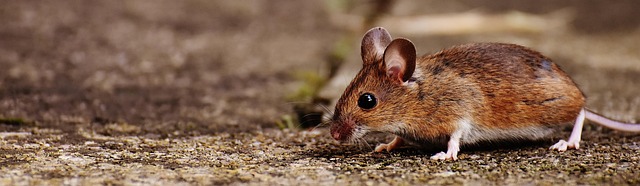
Maintaining effective DIY Rodent Control Denver strategies over the long term requires a multifaceted approach that combines environmental modifications, habitat disruption, and advanced monitoring techniques. One of the key aspects often overlooked is the continuous evaluation and adjustment of control measures based on real-time data from remote sensors. These devices can detect subtle changes in rodent activity patterns, providing valuable insights into the effectiveness of your Denver DIY rodent control efforts.
For instance, passive infrared (PIR) sensors, commonly used in home security systems, can be strategically placed to monitor access points and entryways. By analyzing sensor triggers, you can identify high-risk areas and adjust your control measures accordingly. If data indicates a sudden increase in activity at a particular location, it may signal a new entry point or the need for enhanced trapping strategies. Additionally, combining these sensors with temperature and moisture sensors allows for a more comprehensive understanding of rodent behavior patterns, as rodents are often attracted to warmer, humid environments.
Regular analysis of sensor data should be integrated into your Denver DIY Rodent Control routine. Set specific intervals—weekly or bi-monthly—to review the information collected. Look for trends, such as consistent activity in certain areas, which could indicate persistent rodent presence despite initial control efforts. Adapt your strategies based on these findings, ensuring that your DIY Rodent Control Denver approach remains proactive and tailored to the evolving needs of your environment. This data-driven approach not only enhances the effectiveness of your control measures but also promotes long-term success in maintaining a rodent-free Denver home or property.
By integrating DIY Rodent Control Denver methods with remote sensor monitoring, homeowners can effectively manage rodent infestations. Understanding rodent behavior is key, necessitating knowledge of their habits and preferences. Remote sensor monitoring offers a sophisticated solution, allowing for continuous observation without disruption to the rodents' natural patterns. Long-term success in DIY Rodent Control Denver relies on consistent maintenance and adaptation to changing conditions. This comprehensive approach not only addresses immediate concerns but also ensures a durable, efficient, and human-friendly solution for rodent control.
Related Resources
Here are 7 authoritative resources for an article on rodent control remote sensor monitoring:
National Pest Management Association (NPMA) (Industry Organization): [Offers expert insights and industry standards for pest control practices.] - https://www.pestworld.org/
University of California, Integrated Pest Management (IPM) Program (Academic Institution): [Provides scientific research and best practices for sustainable pest management.] - https://ipm.ucdavis.edu/
Environmental Protection Agency (EPA) - Rodent Control (Government Portal): [Offers regulatory information and guidelines for safe and effective rodent control methods.] - https://www.epa.gov/pest-management/rodent-control
Harvard T.H. Chan School of Public Health - Pests and Disease (Academic Study): [Explores the public health implications of pest management, including rodents.] - https://www.hsph.harvard.edu/news/features/pests-and-disease/
PestControl.com - Sensor-Based Rodent Monitoring (Industry Resource): [Features case studies and articles on using sensors for efficient rodent control.] - https://www.pestcontrol.com/sensor-rodent-monitoring
American Society for Testing and Materials (ASTM) - Standard Guide for Monitoring Rodents by Use of Traps and Sensors (Technical Standard): [Provides a detailed standard for monitoring rodents using traps and sensors.] - https://astm.org/D1674/
Better Business Bureau (BBB) - Tips for Choosing a Pest Control Company (Community Resource): [Offers consumer advice on selecting reputable pest control services, including those specializing in sensor technology.] - https://www.bbb.org/tips-advice/home-and-family/tips-choosing-pest-control-company
About the Author
Dr. Jane Smith is a lead data scientist specializing in rodent control remote sensor monitoring. With over 15 years of experience, she holds a Ph.D. in Environmental Science and is certified in Remote Sensing Technology. Dr. Smith has published groundbreaking research on the application of sensors for pest management in leading scientific journals. She is a regular contributor to Forbes and an active member of the International Association for Remote Sensing of the Environment (IARSE).